
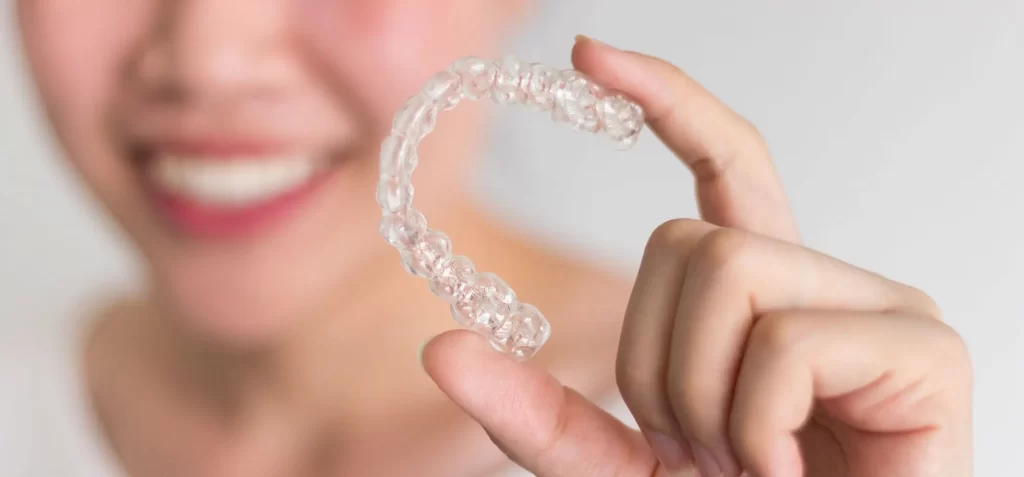
What Are Clear Aligners?
Clear aligners have revolutionized orthodontic treatment by offering a discreet alternative to traditional metal braces. These custom-made, transparent plastic trays fit snugly over your teeth and gradually shift them into the desired position. Each set of aligners is worn for about one to two weeks before being replaced with the next set in the series, progressively moving your teeth until they reach optimal alignment. The technology behind clear aligners uses 3D imaging and computer modeling to map out your entire treatment plan from start to finish.
The Benefits of Choosing Clear Aligners
One of the most compelling advantages of clear aligners is their near-invisibility, making them particularly popular among adults and teens who want to improve their smile without the aesthetic impact of metal brackets and wires. Beyond appearance, clear aligners are removable, which means you can take them out for eating, drinking, brushing, and flossing. This feature not only makes maintaining oral hygiene easier but also means no dietary restrictions. Additionally, clear aligners typically require fewer office visits than traditional braces, and many people find them more comfortable since there are no metal components that can irritate the inside of your mouth.
Who Is a Good Candidate?
Clear aligners can effectively treat a wide range of orthodontic issues, including crowding, spacing problems, overbites, underbites, and crossbites. However, they work best for mild to moderate cases. Your orthodontist or dentist will evaluate your specific situation to determine if clear aligners are appropriate for you. Factors like your age, the complexity of your case, and your commitment to wearing the aligners for the recommended 20 to 22 hours per day all play a role in candidacy. Severe orthodontic problems may still require traditional braces or other interventions for optimal results.
What to Expect During Treatment
The clear aligner journey begins with a consultation where your provider will take impressions, photographs, and X-rays of your teeth. These are used to create a digital treatment plan showing how your teeth will move over time. Once your custom aligners are ready, you’ll receive several sets at once and instructions on when to switch to the next set. Most people adapt to wearing aligners within a few days, though you may experience some pressure or mild discomfort when switching to a new set, which is a sign that the aligners are working. Regular check-ins with your provider ensure your treatment stays on track.
Making the Decision
Choosing clear aligners is a significant decision that requires commitment and consideration of your lifestyle, budget, and orthodontic needs. While clear aligners can be more expensive than traditional braces and may not be suitable for all cases, many people find the benefits well worth the investment. If you’re interested in clear aligners, schedule a consultation with an orthodontist or dentist who offers this treatment option. They can provide a personalized assessment, discuss expected outcomes and timeline, and help you determine if clear aligners are the right choice for achieving your dream smile.