
What Are Dental Implants?
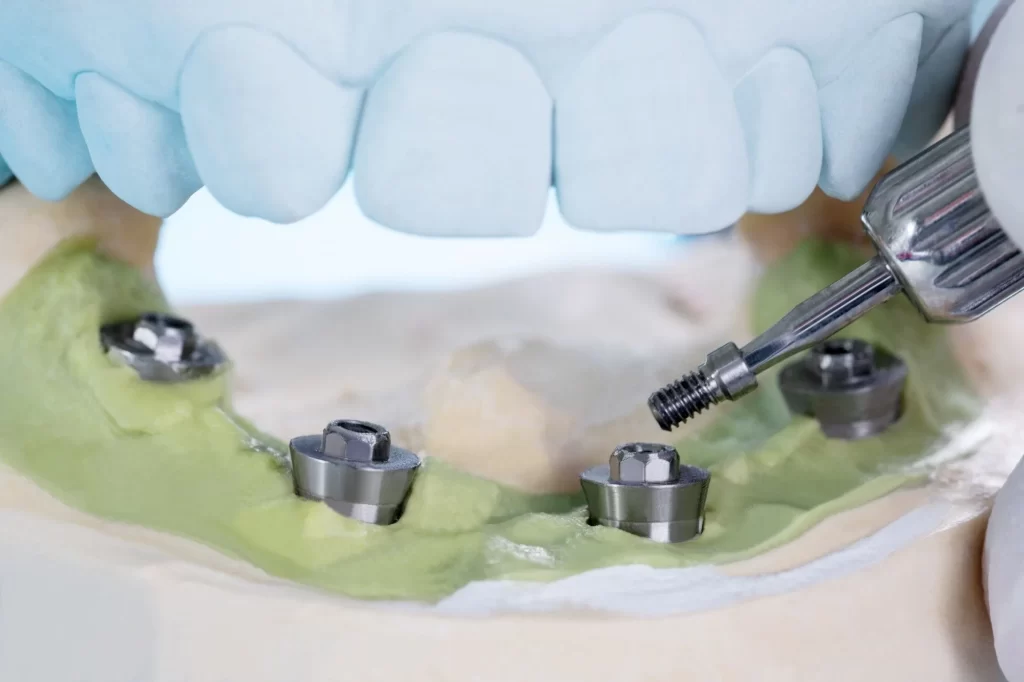
Dental implants are one of the most significant advancements in modern dentistry, offering a permanent and natural-looking solution for missing teeth. At their core, implants consist of a small titanium post that is surgically inserted into the jawbone, acting as an artificial tooth root. Over time, this post fuses with the bone through a process called osseointegration, creating a stable foundation for a crown, bridge, or denture to be attached on top. Unlike other tooth replacement options, implants are designed to look, feel, and function just like your natural teeth, making them a popular choice for patients of all ages.
Who Is a Good Candidate for Dental Implants?
Not everyone is an immediate candidate for dental implants, but many people qualify with proper evaluation. Ideal candidates are adults with fully developed jawbones, good overall oral health, and sufficient bone density to support the implant. Patients who smoke, have uncontrolled diabetes, or have received radiation therapy to the jaw area may face additional challenges, though many can still receive implants with careful planning and management. A thorough consultation with a dental professional is the first step — they will review your medical history, take X-rays or 3D scans, and determine whether bone grafting or other preparatory procedures are needed before the implant can be placed.
The Dental Implant Process
The journey to a restored smile with dental implants typically unfolds over several months. After the initial consultation and any preparatory work, the implant post is surgically placed into the jawbone under local anesthesia. A healing period of three to six months follows, during which osseointegration takes place and the implant becomes firmly anchored. Once the implant has fully integrated, an abutment — a small connector piece — is attached to the post, and a custom-made crown is secured on top. While the overall timeline may seem lengthy, the result is a durable, long-lasting restoration that can realistically last decades with proper care.
Benefits and Long-Term Care
The advantages of dental implants extend well beyond aesthetics. Because the titanium post stimulates the jawbone the same way a natural tooth root does, implants help prevent the bone loss that typically follows tooth extraction. This preserves the shape of your face and prevents the sunken appearance that can develop over time with other tooth replacement options. Implants also don’t require altering neighboring teeth, as a traditional dental bridge does, making them a more conservative choice for your overall oral health. Caring for implants is refreshingly straightforward — brushing, flossing, and regular dental checkups are all that’s needed to keep them in excellent condition for years to come.