
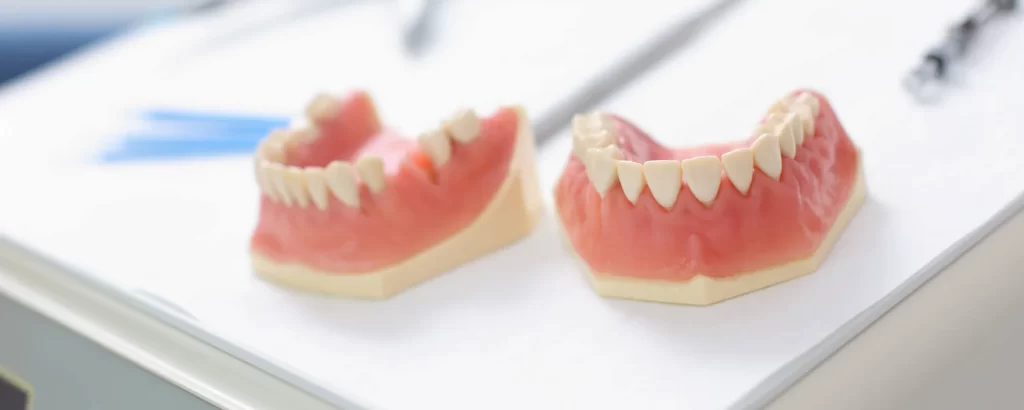
What Are Partial Dentures?
Partial dentures are removable dental appliances designed to replace one or more missing teeth while leaving your remaining natural teeth in place. Unlike a full denture, which replaces an entire arch of teeth, a partial denture is custom-fitted to your mouth and typically consists of replacement teeth attached to a gum-colored base, held securely by a metal or acrylic framework. This framework often includes clasps or precision attachments that anchor to your existing teeth, keeping the appliance stable while you eat, speak, and smile. They’re a popular option for people who aren’t ready for or don’t need a full denture, offering a middle-ground solution that preserves natural tooth structure.
Why People Choose Partial Dentures
Tooth loss can happen for many reasons, including decay, gum disease, or injury, and leaving gaps unaddressed can cause remaining teeth to shift out of position over time. Partial dentures help prevent this drift, maintain proper bite alignment, and support facial structure that might otherwise sag without adequate tooth support. Beyond the functional benefits, they also restore confidence by filling in visible gaps, making it easier to eat a varied diet and speak clearly without self-consciousness. Compared to more invasive or costly options like dental implants, partial dentures are often more affordable and require less time to complete, making them accessible to a wider range of patients.
Living With and Caring for Your Partial Denture
Adjusting to a partial denture usually takes a bit of practice, as your mouth gets used to the new appliance during eating and speaking. Most dentists recommend removing the denture at night to give your gums a rest and soaking it in a cleaning solution to prevent bacterial buildup. Daily brushing, both of the denture itself and your remaining natural teeth, is essential for preventing decay and gum disease around the clasps and attachment points. Regular dental checkups are equally important, since your mouth’s shape can change over time, and adjustments may be needed to keep the fit comfortable and secure.
Is a Partial Denture Right for You?
Deciding whether a partial denture is the best solution depends on factors like how many teeth are missing, the health of your remaining teeth, your budget, and your long-term oral health goals. For many people, partial dentures strike an excellent balance between cost, comfort, and function, especially when implants aren’t a practical option. The best way to know for sure is to consult with a dentist or prosthodontist, who can evaluate your specific situation and walk you through the pros and cons of partials versus other tooth-replacement options. With proper care, a well-fitted partial denture can restore both your smile and your quality of life for years to come.